

NAP-AMR 2.0: India’s New National Action Plan Aims to Combat Antimicrobial Resistance by 2029
India’s National Action Plan on Antimicrobial Resistance (NAP-AMR) 2.0 (2025–2029) was launched on 18 November 2025 by the Ministry of Health and Family Welfare. It builds on the first AMR action plan (2017–2021) and aims to strengthen India’s response to the growing threat of drug-resistant infections.
Key Highlights of AMR 2.0
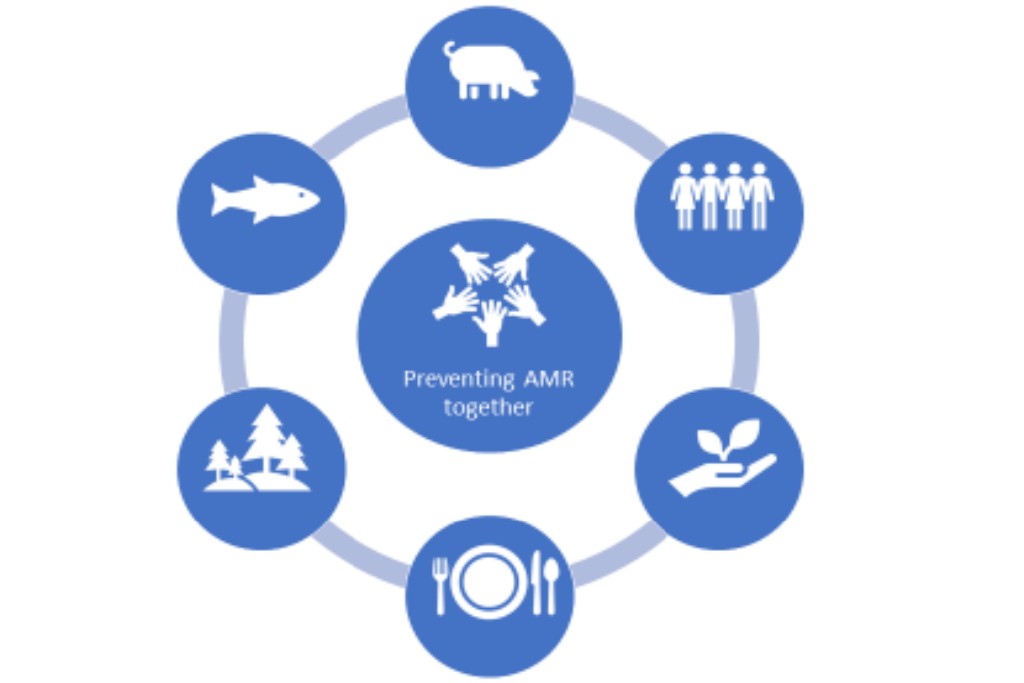
1. Stronger “One Health” Approach
The plan recognizes that antimicrobial resistance is not only a human health issue. It integrates actions across:
- Human health
- Animal health and veterinary medicine
- Agriculture and food production
- Environment and waste management
This coordinated approach seeks to reduce the emergence and spread of resistant microbes across all sectors.
2. Whole-of-Government Implementation
More than 20 ministries and departments have been assigned specific responsibilities, timelines, and budgets. This is intended to improve accountability and ensure that AMR is addressed beyond the health sector alone.
3. Addressing Gaps from the First Action Plan
NAP-AMR 2.0 was designed after reviewing shortcomings in the earlier plan. Key improvements include:
- Greater ownership by participating ministries
- Better inter-sectoral coordination
- Stronger involvement of private healthcare providers and industry
- Clearer implementation mechanisms and monitoring systems.
4. Enhanced AMR Surveillance and Laboratory Capacity
The plan prioritizes:
- Expansion of AMR surveillance networks
- Improved laboratory infrastructure
- Better data collection and reporting systems
- Early detection of resistant pathogens
This will help guide evidence-based treatment and policy decisions.
5. Antibiotic Stewardship and Rational Use
A major objective is to reduce inappropriate use of antibiotics by:
- Promoting prescription-based use
- Strengthening antibiotic stewardship programmes in hospitals
- Developing treatment guidelines
- Encouraging responsible antimicrobial use in animals and agriculture.
6. Infection Prevention and Control (IPC)
The plan emphasizes:
- Improved hygiene and sanitation practices
- Better infection control measures in healthcare facilities
- Reduced hospital-acquired infections
- Strengthened vaccination and preventive health measures.
7. Public Awareness and Professional Training
NAP-AMR 2.0 calls for:
- Nationwide awareness campaigns
- Education on responsible antibiotic use
- Training of doctors, veterinarians, pharmacists, and healthcare workers
- Community engagement to discourage self-medication.
8. Dedicated Budgets and Monitoring
Unlike many previous public-health strategies, AMR 2.0 includes:
- Budget allocations linked to sector-specific actions
- Time-bound targets
- Regular review meetings and performance monitoring
- Mechanisms for rapid resolution of implementation challenges.
Key Message for an Indian Healthcare Professionals
AMR 2.0 shifts India’s response from awareness to accountability. The plan brings together over 20 ministries under a One Health framework, strengthens surveillance and laboratory systems, promotes responsible antibiotic use, improves infection prevention, and assigns clear budgets and timelines to combat antimicrobial resistance between 2025 and 2029. Its success will depend on active participation from healthcare providers, veterinarians, farmers, pharmaceutical companies, policymakers, and the public. WHO recommends usage of new digital and AI Technologies and invent AI ICU AMR Solution